
Hello!
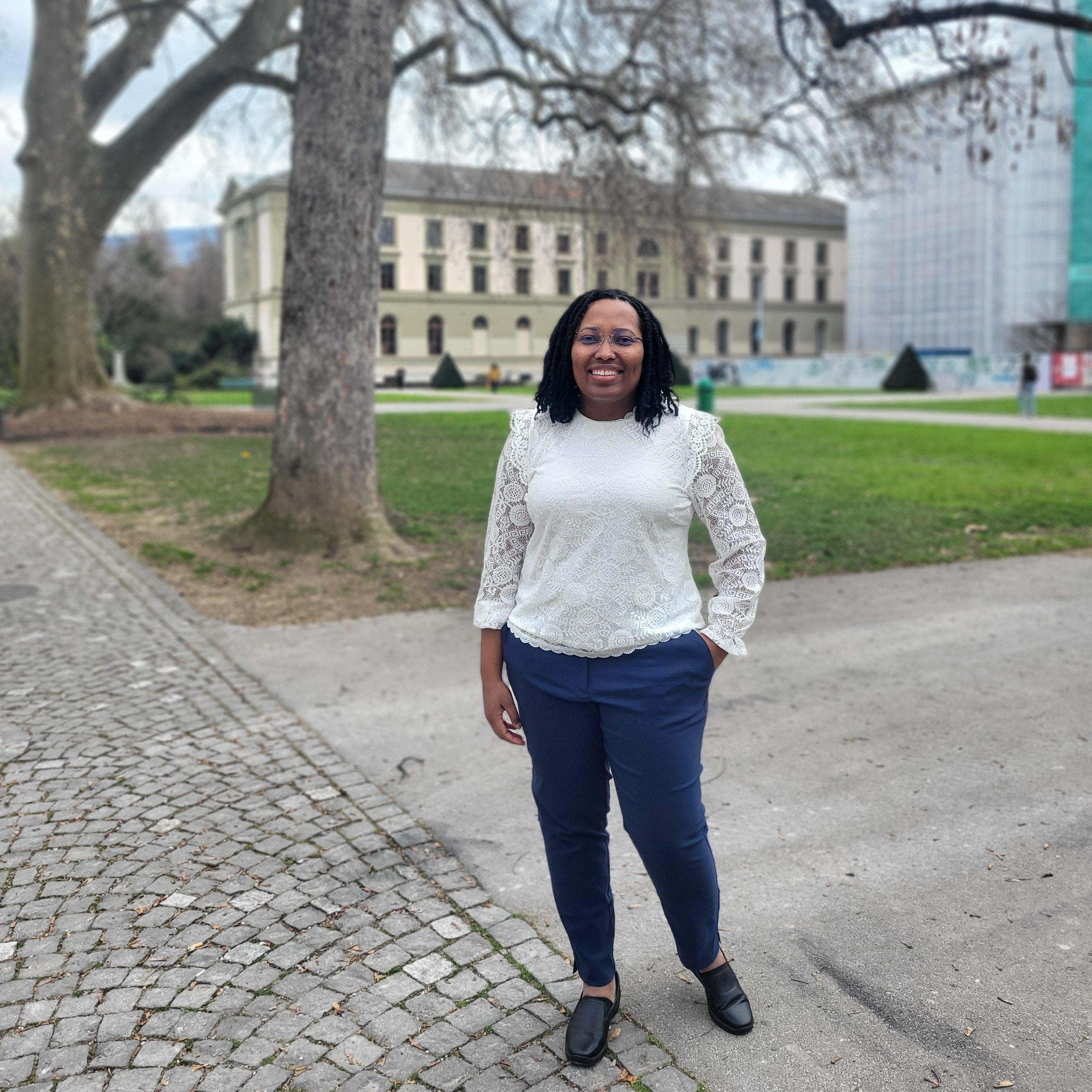
My name is Maysa Espíndola Souza. I’m a passionate Historian from Florianópolis, currently a post-doc at the University of Geneva. My main areas of research are African Studies, History of Labor, and the Portuguese Empire’s impact in Africa.
At the moment, I am working on the project “Living with authoritarian repression: everyday life history under the Estado Novo in Portugal and its African colonies, 1926-74”.
As an affiliate researcher at the Max Planck Institute for Legal History and Legal Theory I am part of the “Global Legal History on the Ground” research group, where we dive into African archives to understand how law and society interacted historically.
My academic path was paved with degrees in History from the Federal University of Santa Catarina, Brazil, and further enriched by a Doctorate at the Max-Planck Institute for European Legal History. Scholarships and fellowships have both supported and validated my research contributions.
To fellow researchers, I offer a spirit of collaboration and a shared passion for uncovering history’s complex stories. Let’s explore these narratives together and illuminate the lessons they hold for us today.
Curriculum Vitae
- Education
- Degrees (starting from the most recent): Include the degree title, institution, department, graduation year, and thesis/dissertation title.
- Honors and Awards: Any academic recognitions, scholarships, or honors received during your studies.
- Research Experience
- Positions Held: Post-Doc, Research Assistant, etc., including institution, department, and dates.
- Description of Research Work: Brief descriptions of your research projects, your role in them, methodologies used, and outcomes.
- Teaching Experience (if applicable)
- Courses Taught: List the courses you’ve taught, including the institution, department, course title, and dates.
- Teaching Methodologies: A brief description of the teaching methods you’ve employed and any notable outcomes or feedback.
- Publications
- Categorize by journal articles, book chapters, books, and conference proceedings.
- Use a consistent citation format and list them starting with the most recent.
- Presentations and Conferences
- Include presentations at academic conferences, workshops, and guest lectures.
- List the title of your presentation, the name of the conference, and the date.
- Awards and Honors
- Academic and research awards.
- Scholarships and fellowships.
- Any other notable recognitions.

